Second Ecumenical and Inter-religious Tapiri arrives in Rondônia
04 de April de 2023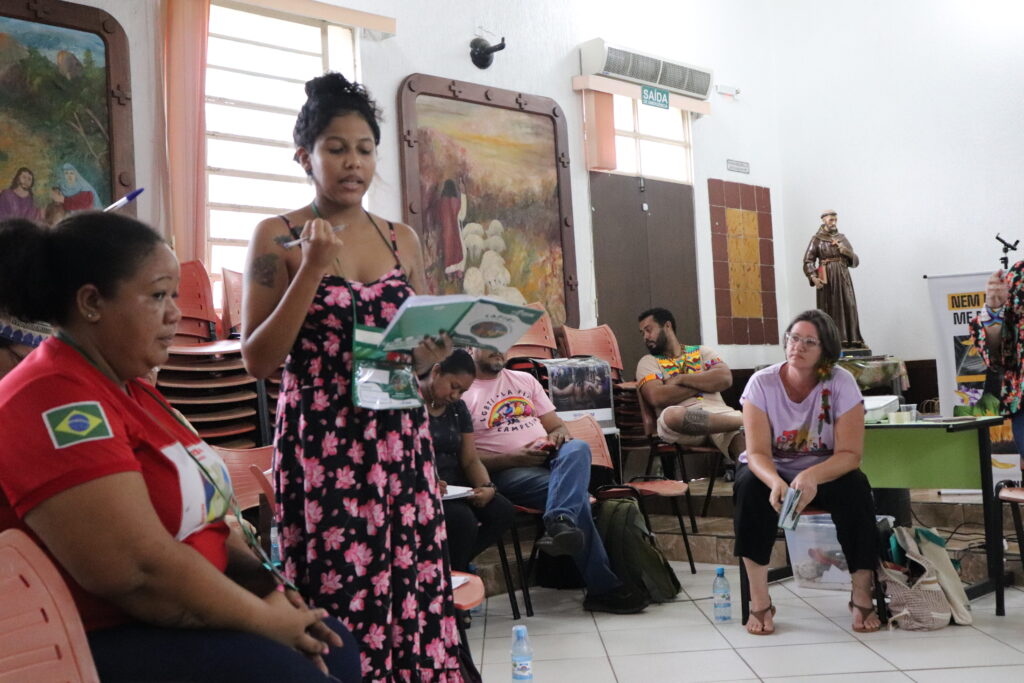
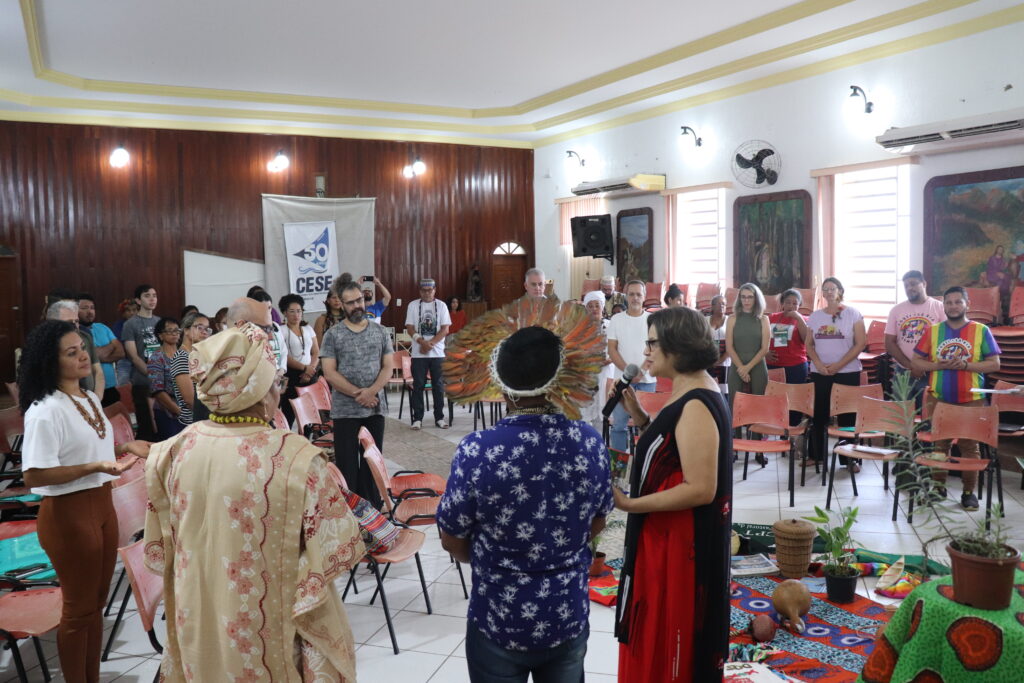
On 30 and 31 March, the ACT (Brazil) Ecumenical Forum (Fórum Ecumênico ACT Brasil: FEACT), coordinated by the Ecumenical Coordination of Service (Coordenadoria Ecumênica de Serviço: CESE) and the FLD-COMIN-CAPA partnership, hosted the second edition of the Ecumenical and Inter-religious Tapiri, in Porto Velho (Rondônia), focused on combatting the advance of fundamentalism and religious racism in the Brazilian Amazon. The initiative has the dual aim of providing visibility, as a way of denouncing the damage caused by fundamentalism in the lives of the peoples of the Brazilian Amazon, and of strengthening ecumenical and inter-religious relationships as a strategy to combat it.
The Tapiri’s first edition took place during the 10th Pan-Amazonian Social Forum (Fórum Social Pan-Amazônico: FOSPA) in Belém (Pará). It was jointly designed and constructed by social movements and faith-based organizations, and supported by the Ford Foundation and Bread for the World (Brot für die Welt).
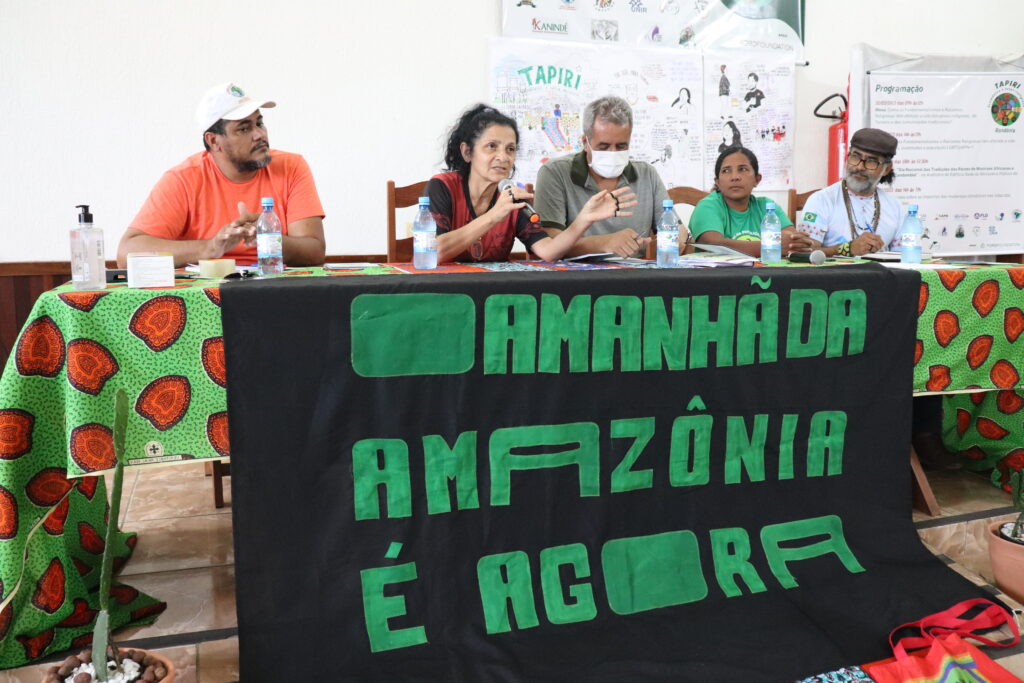
The programme for the second edition included two roundtables to discuss how fundamentalism and religious racism have affected the lives of indigenous people, people from African-origin houses of worship, traditional communities, women, young people and the LGBTQIAPN+ population, while a third roundtable focused on the impacts of the climate crisis on the lives of the peoples of the Brazilian Amazon.
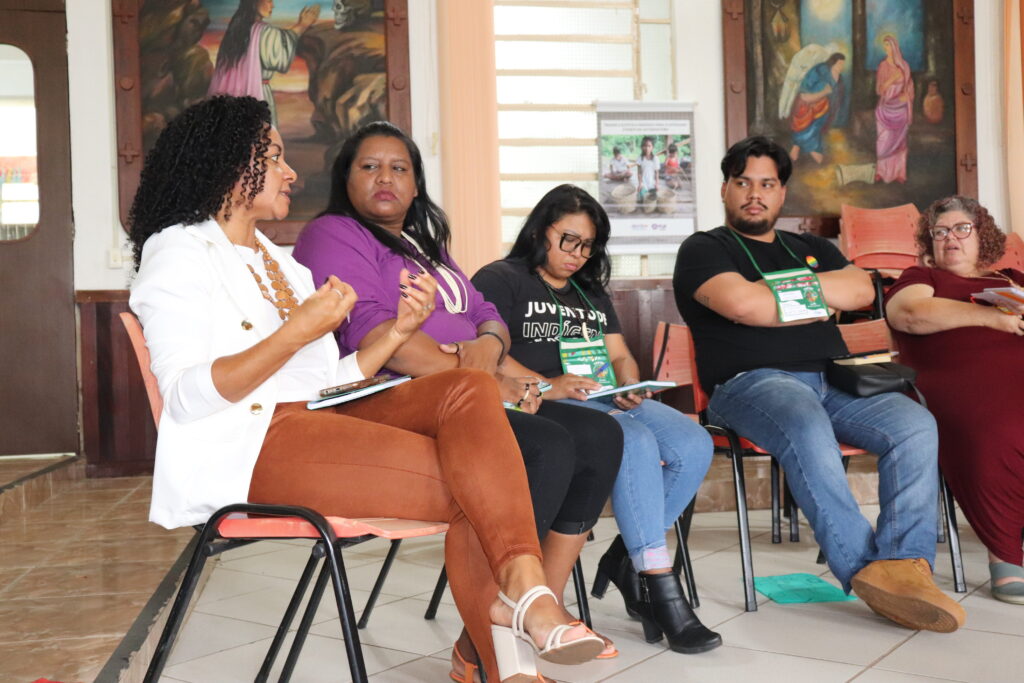
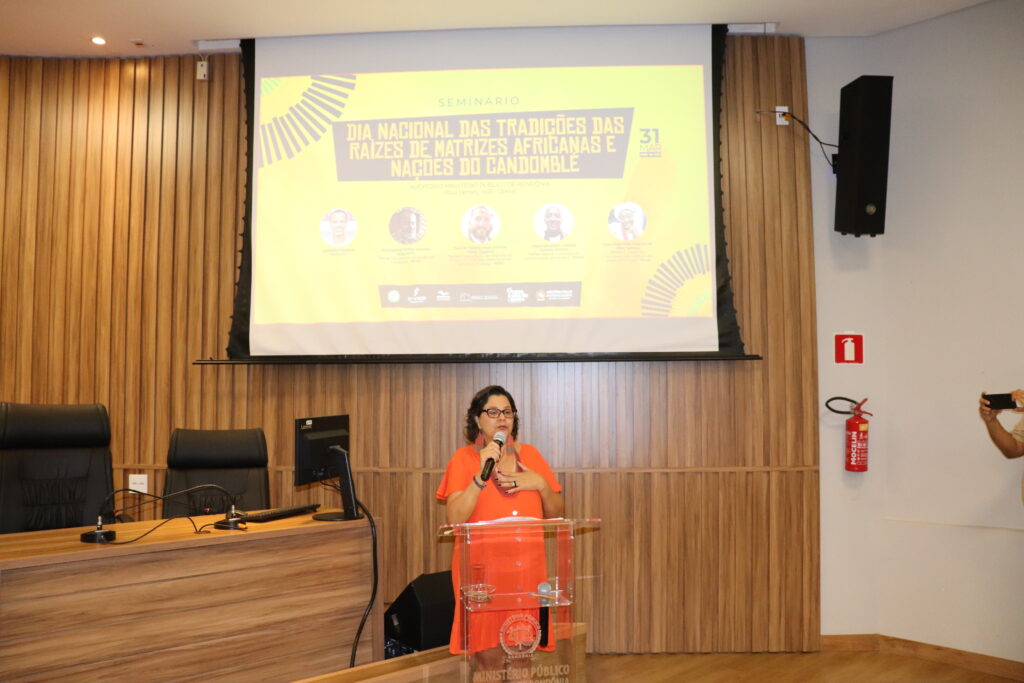
Another part of the Tapiri programme involved participation by the group from the “Seminar on the National Day for African Origin Roots and Candomblé Nations”, an initiative of the Commission for Equity of Gender, Race and Diversity, in partnership with the High School of the Rondônia State Public Prosecutor’s Office (Escola Superior do Ministério Público do Estado de Rondônia: ESMPRO), which took place in the Public Prosecutor’s Office building.
CESE’s Executive Director, Sônia Mota, spoke during the seminar and highlighted the good fortune of the two events converging in their aims and occurring at the same time. “We decided to also participate in the event at the Public Prosecutor’s Office, because we see it as an opportunity for this body to hear direct reports from the people who suffer the most from this conservative moment.”
Rondônia context
According to the Violence Monitor, drafted by G1 and the Centre for Violence Studies at the University of São Paulo (Núcleo de Estudos da Violência, Universidade de São Paulo: NEV-USP), in 2022, Rondônia ranked second among Brazil’s states for the number of femicides. Generally associated with discussions about public security, there is another determining factor for the worsening violence against women in the state, one which does not receive the same attention: religious fundamentalism.
The Reverend Elineide Oliveira, from the Anglican Episcopal Church of Brazil (Igreja Episcopal Anglicana do Brasil: IEAB), and one of the participants in the Rondônia Tapiri, coordinates an institution that supports women who are under protective measures and at threat (in Portuguese) in a town in Rondônia. When the organization receives these women, they try to establish a victim profile in order to assist them as fully as possible.
Since its foundation in 2011, there is one characteristic that all the women who have passed through the organization have in common: not one has said they do not have a faith. “Most of them are christian. I would say that about 75% – or more – are from the Neo-Pentecostal churches.” She explained that these are the most difficult cases to deal with, because they also have to address the limitations of a punitive god that have been imposed on them.
“When we ask them if they’ve asked their pastors for help, they say he or she was the first person they went to, and they were told to pray more, to get down on their knees, questioned about whether they’re cooking the things their husbands likes or whether they’re attending church enough. There is the complex nature of this god, who says that they need to be submissive to the point of remaining in this situation,” she declared.
Rondônia has a historical affinity with the right wing and, once again, the 2022 elections confirmed this. This was how the state governor, with his three senators, the eight federal deputies and the absolute majority of 24 state deputies were elected. Over the last four years, the level of violence related to this political wing has also resulted in the growth of fundamentalism and religious racism there.
In February 2023, the state’s Legislative Assembly approved plans to hold masses and evangelical services, such as the act to open their Monday sessions. The first celebration took place on 13 March and this has since been repeated within what is supposed to be a secular body, the People’s House. Candomblé or Umbanda manifestations, for example, were left out of the text in the application for approval.
The Rondônia Tapiri
Mãe Nilda de Oxum, member of the roundtable about the impact of fundamentalism on the lives of people from the African-origin houses of worship, highlighted the importance of discussing religious racism, which is cultural in Rondônia, since it is a theme not often addressed within the state. “The reports we’ve heard here are very sad. We need to expand the discussion about religious fundamentalism here.”
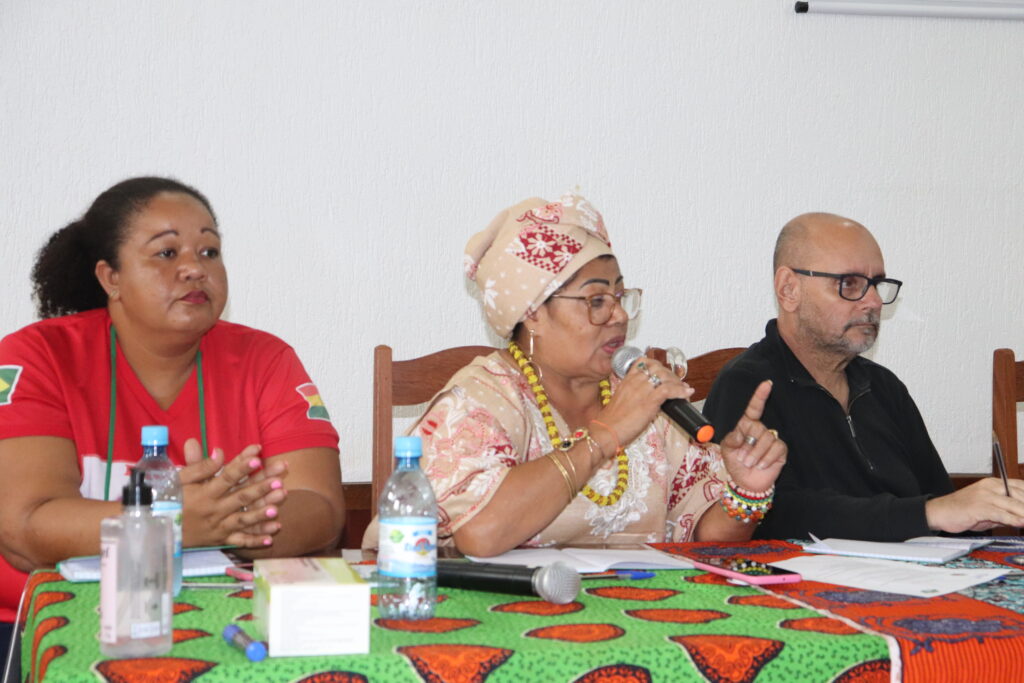
Fabrícia Sabanê, from the Association of Indigenous Warriors of Rondônia (Associação das Guerreiras Indígenas de Rondônia: AGIR), stressed the importance of taking the discussion about fundamentalism into the communities. “It’s hard for the indigenous peoples in the communities to know what this is. We need to take this debate to them, so that our people can see the problem and can protect our culture.”
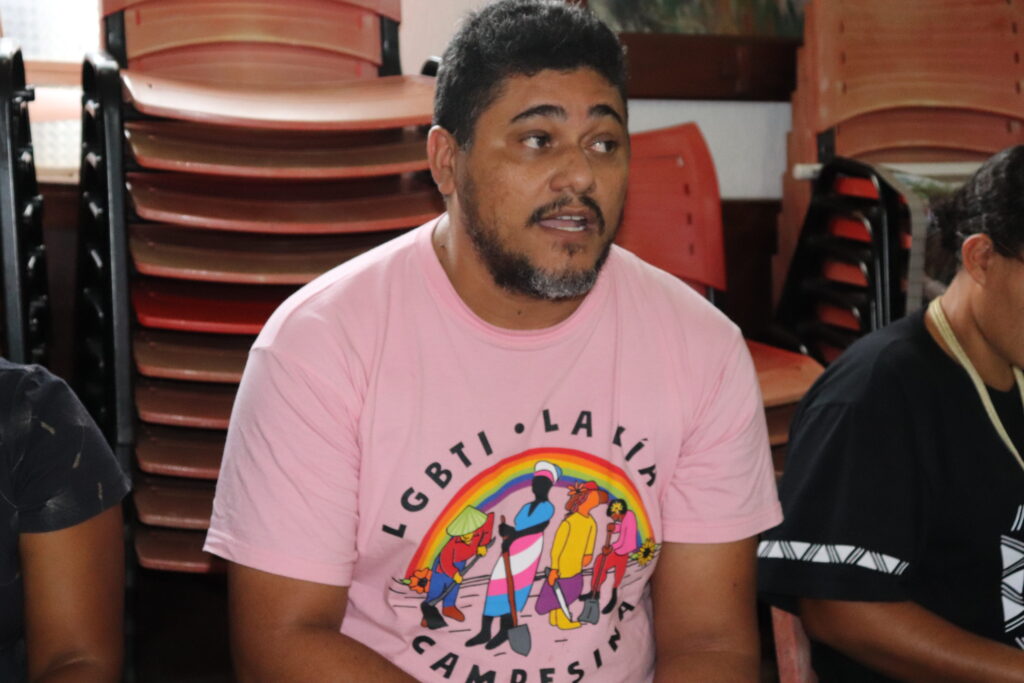
Representing Via Campesina, Océlio Muniz talked about the challenges the general context in the state poses for the movements and other social groups. “We have confronted every kind of difficulty here, we are criminalized, threatened all the time and, more than this, it’s almost impossible to get support from anyone. It’s extremely important, therefore, to run this event here in Rondônia.”
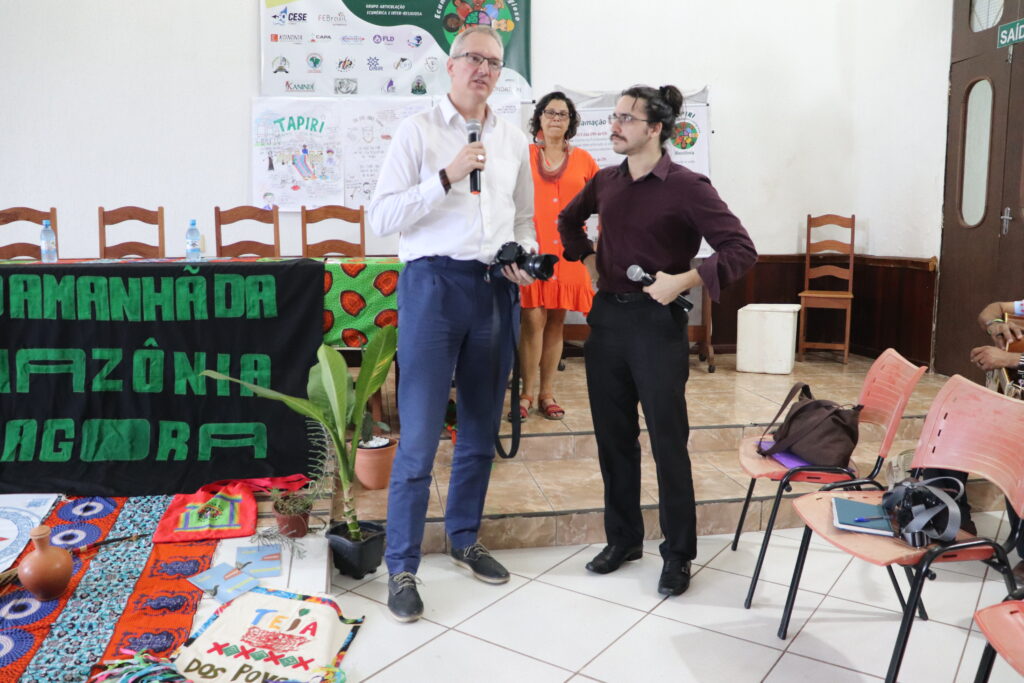
The event was also attended by Canadian journalist Simon Chambers, the ACT Alliance’s Director of Communications. For over a decade, he has investigated the impacts of religious fundamentalism on the lives of traditional peoples and communities in Latin America. He participated in the event in order to understand the specific nature of this problem in Brazil and to gather information to strengthen the ACT Alliance’s work on this issue.
In her final speech, Sônia Mota noted the existence of a fundamentalist alliance that preaches the “God of money”; that is what we are fighting against. “We will leave here strengthened by so much resistance on the ground. By a people who have said ‘no’ to the project of death. When we hold a Tapiri, we want to unite, to strengthen our networks for confrontation. Because we can go further through networks. That is our goal.”
The Ecumenical and Inter-religious Tapiri is currently focused on the north of Brazil and has already taken place in Rondônia and Pará. The plan is for the project to move on to other states in the Brazilian Amazon.
[1] A partnership formed of the Lutheran Foundation of Diakonia (Fundação Luterana de Diaconia: FLD); theCouncil of Mission among Indians (Conselho de Missão entre Índios; COMIN); and the Centre for Support to Small Farmers (Centro de Apoio ao Pequeno Agricultor: CAPA).
Supporters





Networks