Approximately one thousand women relaunch Rural and Urban Women’s Camp
25 de March de 2024Approximately one thousand women relaunch Rural and Urban Women’s Camp
Accessibility feature: audio version of the text.
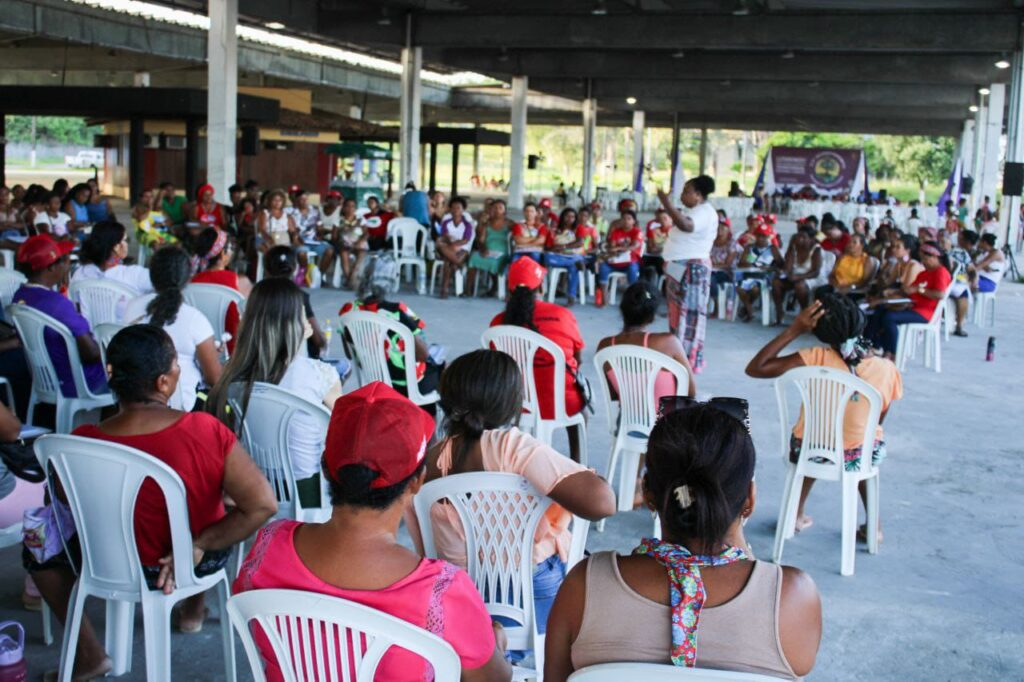
Between 6 and 8 March, approximately one thousand women came together in Salvador’s Parque de Exposições for the 13th edition of the Rural and Urban Women’s Camp. The activity is part of the March the Month of Struggles, with the slogan “We will fight for our bodies and our territories: no woman left behind.” The initiative was supported by CESE through its Small Projects Programme.
Returning after a hiatus of 10 years, caused by the turbulent political situation in Brazil over the last decade, the camp is an arena for mobilization, training and networking between women from the countryside and the city, unifying their struggles. Women from settlements, rural communities, Salvador’s peripheries, young women, female quilombolas and other leaders from the political arena were in attendance.
In all, more than 20 organizations, movements and other representations participated, including the Unified Black Movement (Movimento Negro Unificado: MNU), the Landless Rural Workers’ Movement (Movimento dos Trabalhadores Rurais Sem Terra: MST), the Small-scale Farmers’ Movement (Movimento dos Pequenos Agricultores: MPA), the Popular Youth Uprising (Levante Popular da Juventude: LPJ), the Domestic Workers’ Association (Associação de Trabalhadoras Domésticas), the Bahia LGBT Forum, the Iyá Akobiodé Collective, and the Institute of Black Female Lawyers (Instituto de Juristas Negras).
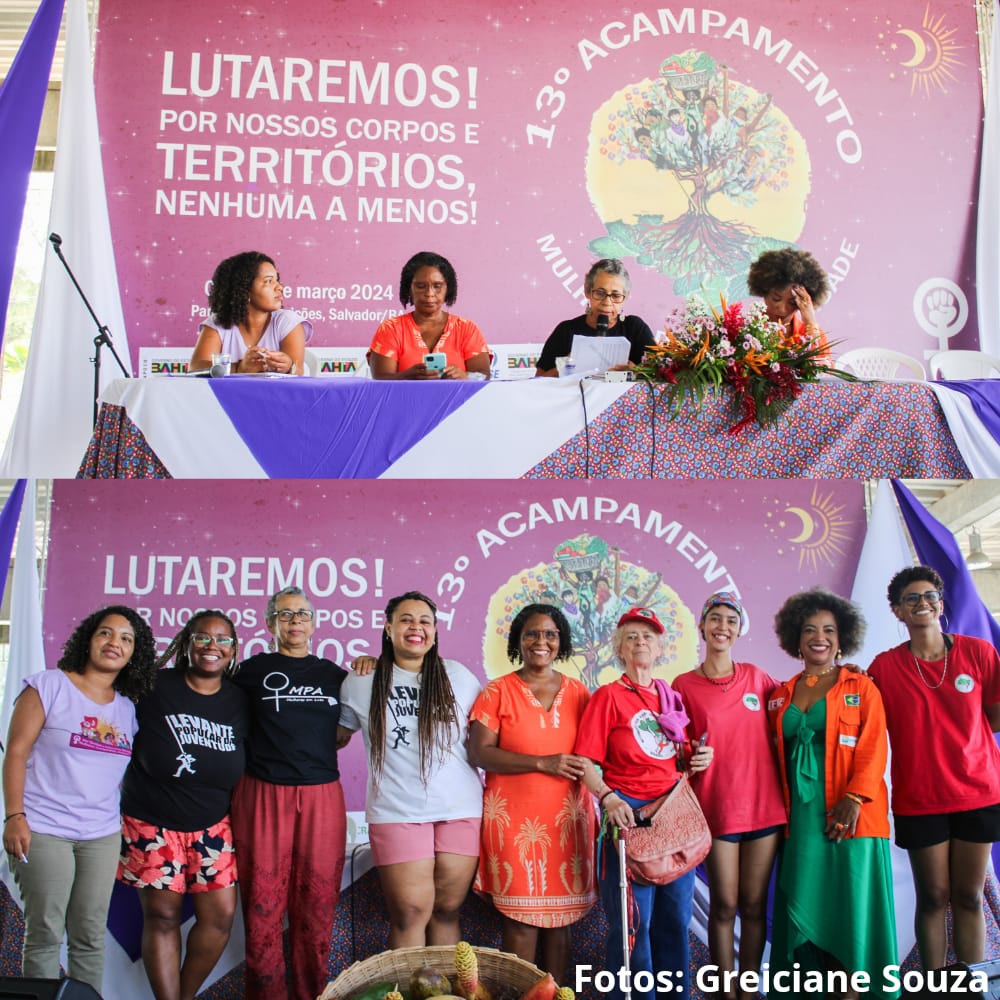
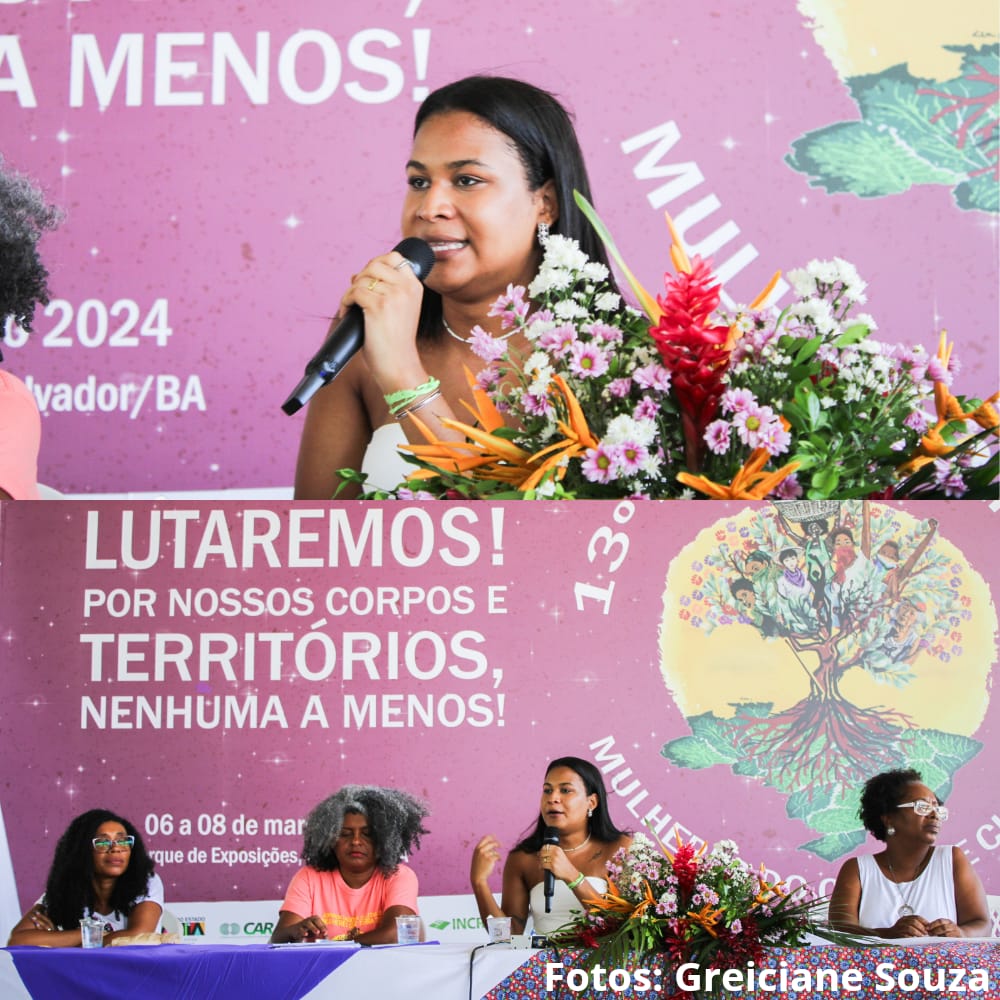
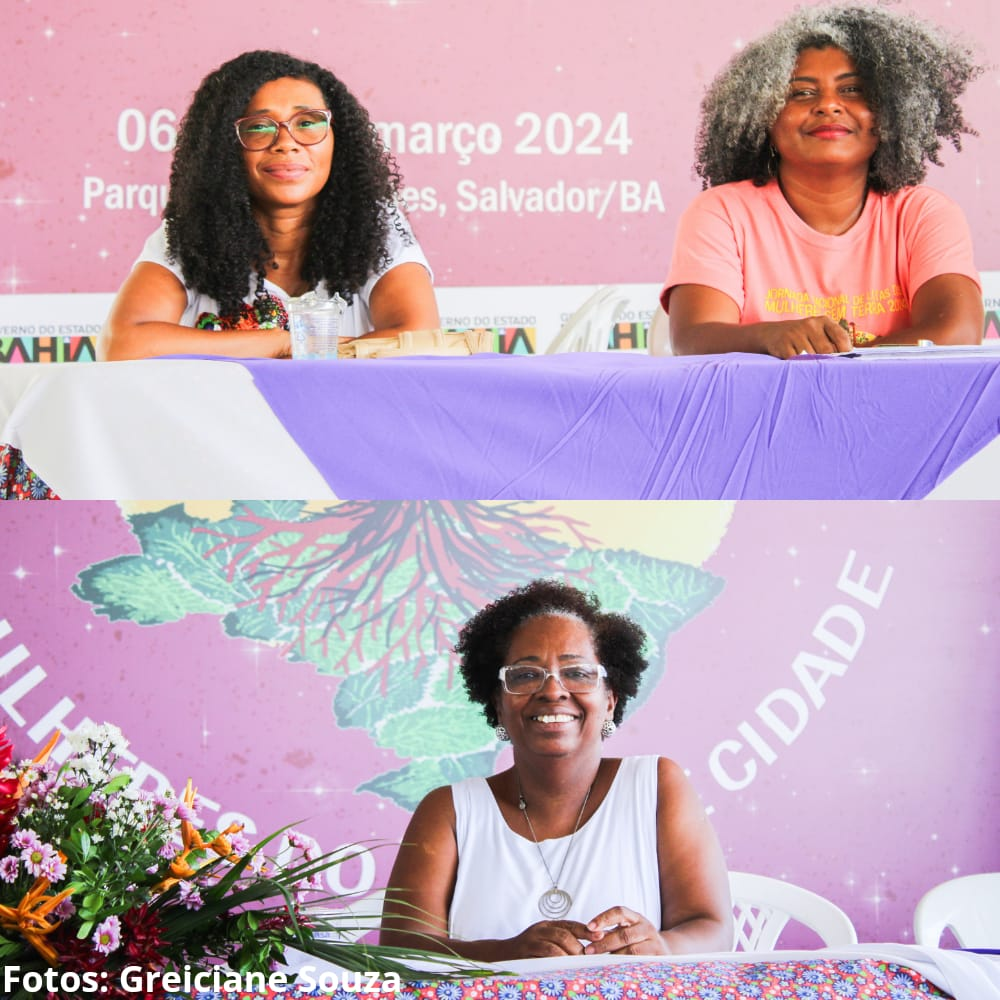
Jazian Mota, from the Camp’s Political Education Sector, explained that the recent wave of violence in the countryside, as well as disputes for territory marked by extreme episodes, such as the murder of Mother Bernadette in August last year and of Nega Pataxó in January 2024, means that the various forms of violence against women are at the top of the camp’s agendas.
“This violence ranges from women’s mental health to political gender-based violence, with the negation of arenas of power. High indices of femicide are seen across the city peripheries and the countryside. Violence by the State, the advance of agribusiness, the genocide of black youth. Our boys and girls are the victims of this war,” she said, outlining the context.
But she noted that, above all, the camp is a space for response. “We are also pursuing the means to strengthen ourselves, to think about how we can come together to break from these cycles of violence. This is the most positive outcome of our return to the camp: to be able to return to reconstructing and strengthening this coalition of women from various movements.”
On the afternoon of 8 March, the women joined the 8M march in Campo Grande. They also intend to finalize an open letter based on everything discussed during the camp, including complaints, reflections and notes.
Supporters







Networks